Mental health is increasingly recognized as essential, leading to the rise of many clinics and centers that offer support.
One such place is the Lee Carlson Center for Mental Health and Well-being, which provides various programs to help individuals and families with their mental health challenges.
This article delves into the services provided by the Lee Carlson Center, highlighting how they effectively support people facing various mental health challenges.
Additionally, BetterHelp offers a convenient online option where people can talk to licensed therapists through video calls, chat, or phone sessions from the comfort of their homes. This makes accessing mental health support easier and more flexible for everyone.
About Lee Carlson Center for Mental Health and Well-being
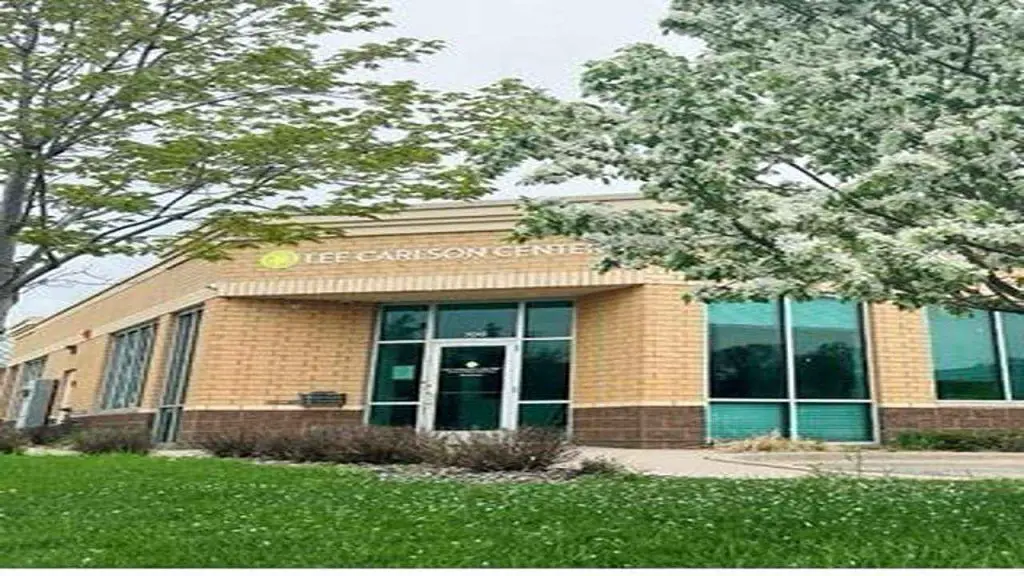
The Lee Carlson Center for Mental Health and Well-Being started as the Central Center for Family Resources to support mental health in Anoka County, focusing on school programs for at-risk youth. Since its founding, the centre has grown significantly.
In 1984, it opened a drop-in center for adults with serious mental illness and added Child & Adolescent Psychiatrists in 1990.
The center moved to a new location in 1994 and introduced a Domestic Abuse Program in 1996 to help victims and perpetrators after similar services ended in the area.
It was renamed in 2009 to honor its founder and began offering Children’s Therapeutic Services and Supports.
Over the years, the center has launched various programs, including a Restorative Parenting Program, and built partnerships with organizations to promote healthier lifestyles and expand services in schools.
By 2019, it had opened more locations and collaborated with local police and Allina Health to provide better emergency support.
The center aims to offer accessible mental health services that respect each person’s dignity, and its core values focus on family involvement, advocacy, quality care, sustainability, staff development, and community outreach.
Mental Health Programs Provided By Lee Carlson Center
1. Clinic-Based Therapy
Every year, Lee Carlson Center dedicated clinical team supports over 6,000 people by offering outpatient mental health therapy across four locations in the Twin Cities area.
They aim to minimize wait times and provide both in-person and telehealth services for therapy sessions.
The center’s therapists focus on a wide range of issues, including ADHD, anxiety, depression, autism spectrum disorders, and trauma, utilizing various methods such as art therapy and play therapy.
Their mission is to enhance clients’ emotional health and equip them with the tools they need to succeed.
2. School-Based Mental Health
The School-Based Mental Health program at the Lee Carlson Center focuses on early identification and accessibility of mental health services across six school districts.
Recognizing that many mental health issues, such as depression and anxiety, begin by age 14, the program aims to intervene early to prevent serious consequences like school dropout and family dysfunction.
They collaborate with schools and communities to identify concerns and reduce barriers for children and their families.
Referrals for services come from parents, school staff, and counselors, ensuring that all support is provided confidentially and involves family engagement.
The program is available at numerous schools in the Centennial, Columbia Heights, Fridley, Osseo Area, St. Francis Area, and Spring Lake Park districts, offering a range of mental health services tailored to students’ needs.
3. Group Therapy
The group therapy program at the Lee Carlson Center provides supportive sessions for small groups of seven to twelve people, meeting once or twice a week for one to two hours.
These sessions allow participants to share their experiences and find encouragement from others who understand their struggles.
Led by licensed therapists and sometimes assisted by interns, the center offers different groups, such as a Dialectical Behavior Therapy (DBT) Aftercare Skills Support Group for those who have finished DBT training and want to practice their skills.
Another option is the Restorative Parenting Group, which helps parents understand their children’s trauma and improve their relationships.
4. Psychiatry & Medication Management
The Psychiatry and Medication Management program at the Lee Carlson Center focuses on evaluating both the mental and physical aspects of psychological issues to provide appropriate medication prescriptions.
With a psychiatrist available for clients of all ages, the program ensures that individuals receiving psychiatric services also engage in therapy with a psychotherapy provider at the center.
This integrated approach aims to support clients comprehensively in their mental health journey.
Staff Members At Lee Carlson Center

The Lee Carlson Center for Mental Health and Well-Being has a skilled team of staff members.
This overview focuses on the Clinic & In-Home Staff and the School-Based Staff, although the center has many other therapists as well.
For more details about the team, you can check the official website.
1. Clinic & In-Home Staff
1.1 Paul Hildebrant
Paul Hildebrant,is a Therapist II at the Fridley Clinic. He has a Master’s degree from the University of Wisconsin-River Falls and a Ph.D. from Union Institute in Cincinnati, Ohio.
Paul uses behavioural and cognitive-behavioural approaches to help clients identify their problems and work together to find effective solutions.
He has experience dealing with various issues, such as anxiety, depression, serious mental illnesses, special education needs, ageing, and family therapy.
1.2 Troy Mathias
Troy Mathias, MSW, LICSW is a Therapist II at the St. Louis Park Clinic. He earned his Master’s in Social Work from the University of Minnesota – Twin Cities.
Troy focuses on creating welcoming environments where students and families can find strength and courage to face their challenges.
He has specialized in working with families and children, including those in K-12 and alternative school settings.
1.3 Angie Moua
Angie Moua, is a Therapist I at the Fridley Clinic. She holds a Master’s degree in Social Work from Hodges University in Fort Myers, Florida.
Angie is dedicated to supporting clients as they work through their mental health challenges.
2. School-Based Staff
2.1 Adam Berg
Adam Berg, MA, is a Therapist who mainly uses cognitive behavioural therapy (CBT) and strength-based methods.
He works with children and teens facing mood disorders, anxiety, trauma, and those with autism.
2.2 Brent DeBruyn
Brent DeBruyn, is a Therapist II at St. Francis Elementary and Middle Schools.
Brent uses a supportive approach to help clients reach their goals and improve themselves. Outside of therapy.
2.3 Cambria Fisher
Cambria Fisher focuses on building relationships with her clients and uses various techniques, including CBT and mindfulness.
She mainly works with adolescents aged 14 to 18, addressing issues like depression, anxiety, trauma, and self-harm. She also has experience with younger children in school and home settings.
Board & Leadership Members
The Lee Carlson Center for Mental Health and Well-Being has a dedicated Board of Directors and leadership team committed to improving mental health services.
Board of Directors:
1.1 Julie Tschida
Julie Tschida is the Board Chair, bringing 30 years of Human Resources experience.
She works as a Learning and Organization Development Consultant at the Metropolitan Council, focusing on leadership training.
Julie has also run her own consulting business and held an important HR position at Land O’Lakes, Inc. Additionally, she has taught Human Resources Management for over ten years.
1.2 Alan Wiley
Alan Wiley, the Board Vice-Chair, is a Mortgage Loan Officer at Huntington National Bank. He joined the board in 2019 and is also a youth wrestling coach in the Osseo school district.
Alan is passionate about enhancing mental health resources in schools and values his role on the board.
1.3 Tom Sanvick
Tom Sanvick, the Board Treasurer, became a board member in 2023. He is the Senior Vice President of Commercial Lending at Northeast Bank and has 23 years of experience in banking.
Tom has held various leadership roles in community organizations and is dedicated to supporting the Lee Carlson Center, especially in meeting the increasing demand for mental health services.
1.4 Sue Butler
Sue Butler is passionate about helping those with emotional health challenges, believing in the potential for healing.
1.5 Erik Johnston
Erik Johnston is a Board Member and a Captain at the Columbia Heights Police Department with 20 years of law enforcement experience.
He has served in multiple roles, including as a school resource officer.
Erik holds a Bachelor’s in Business Administration and a Master’s in Police Leadership.
He teaches Criminal Justice at Metropolitan State University and advocates for accessible mental health services through the Lee Carlson Center.
1.6 Kimberly Castagnetta
Kimberly Castagnetta is a Board Member and the CEO of Dart Solutions Group.
With over 30 years of experience in management, she started her consultancy in 2023, helping leaders overcome challenges.
Kim actively participates in philanthropy and mentors small business owners through SCORE.
She looks forward to using her skills to benefit the Lee Carlson Center and its community impact.
1.7 Steve Dahl
Steve Dahl is a Board Member and has 25 years of experience in social services.
He is currently the Director of Community Support Services at the Minnesota Department of Human Services, where he leads programs for those with complex behavioral health needs.
Steve completed his MSW internship at the Lee Carlson Center, which gave him a deep appreciation for its work. He also teaches in the MSW program at Augsburg University.
Leadership Team:
- Sue Vang serves as the Chief Operating Officer of the Lee Carlson Center, overseeing its daily operations and ensuring quality mental health services.
- Marissa Smook (she/her/hers) is the Director of School-Based Mental Health. She focuses on bringing mental health services into schools, developing programs to support students’ emotional well-being, and working with teachers and parents.
- Troy Mathias is the Director of Clinics, responsible for managing clinical services at the center. He ensures that high-quality mental health care is provided and supports clinic staff in offering effective treatments to individuals and families.
Want to know more about mental health hospitals, check these out:
- Suncoast Mental Health Center: Quality Care
- Oasis Center for Mental Health: Nurturing Wellness
- Lakeland Mental Health Center: Care for Healthier Minds
Address and Contact Information
The Lee Carlson Center for Mental Health and Well-Being has two locations: the Fridley Clinic and the Bridgeview Drop-In Center, both situated at 7954 University Ave NE, Fridley, MN 55432.
You can reach the Fridley Clinic at 763-780-3036 or send a fax to 763-780-0784, while the Bridgeview Drop-In Center can be contacted at 763-783-7440, with the same fax number.
For more information, please visit their official website.
FAQ’s:
How to deal with declining mental health?
If you’re noticing a decline in your mental health, it’s important to take action.
Start by talking to someone you trust, like a friend or family member. Consider seeking help from a mental health professional, such as a therapist or counsellor, who can provide support and guidance.
Make sure to take care of your physical health by eating well, exercising, and getting enough sleep.
Also, try to engage in activities that bring you joy or relaxation, like hobbies or spending time in nature.
What is mental health and wellbeing coaching?
Mental health and wellbeing coaching is a type of support where a coach helps individuals improve their mental health and overall well-being.
The coach works with clients to identify their goals, develop coping strategies, and build resilience.
This coaching focuses on promoting positive mental health and encouraging personal growth.
What is the main role of the mental health coach?
The main role of a mental health coach is to support individuals in understanding their mental health challenges and working towards their personal goals.
They provide guidance, tools, and strategies to help clients manage stress, improve their emotional well-being, and create a balanced life.
Unlike therapists, mental health coaches focus more on setting goals and moving forward.
Why is sleep important for mental health?
Sleep is crucial for mental health because it helps your brain rest and recharge.
Good sleep improves mood, sharpens focus, and reduces stress. When you don’t get enough sleep, it can lead to feelings of anxiety and depression.
So, getting enough quality sleep is essential for feeling good mentally and emotionally.