Mental health problems are quite common in the United States, affecting a lot of people.
About one out of every five adults and one out of every six young people deal with some kind of mental health issue.
Data from the Minnesota government shows that in 2023, around 28.3% of adults in the state experienced symptoms of anxiety or depression.
These problems can have a big impact on a person’s life, showing how important it is to get them the help and support they need.
Fortunately, Minnesota is known for its commitment to providing good care and support for mental health.
They have a variety of hospitals that specialize in treating mental health issues, from common ones like depression and anxiety to more complex conditions like bipolar disorder and schizophrenia.
In this article, we’ll take a closer look at these different hospitals in Minnesota, talk about the various treatments they offer, and highlight the professionals who are involved in giving care.
Best Mental Health Hospitals in Minnesota
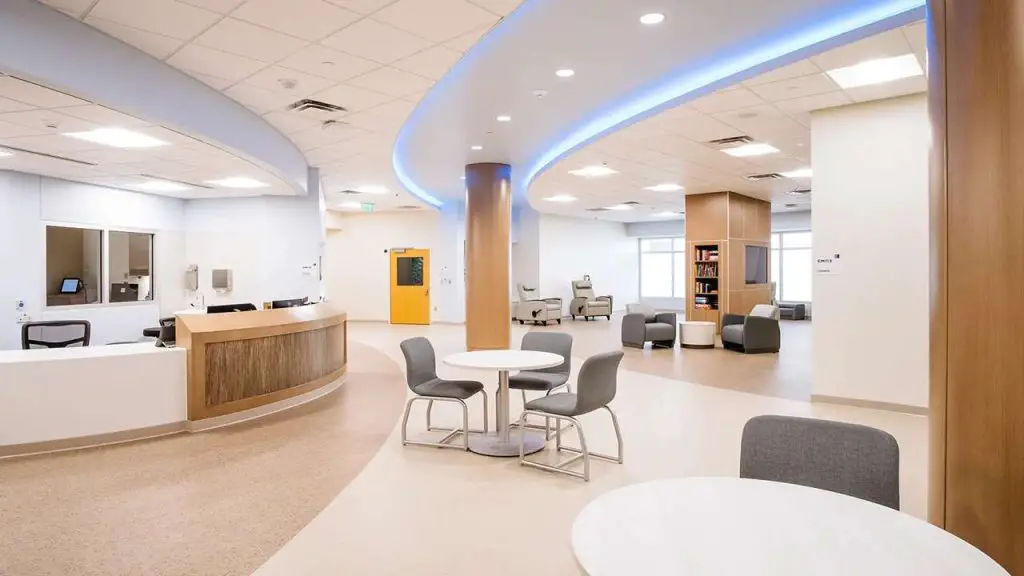
1. Newport Institute
Newport Institute focuses on helping young adults aged 18 to 35 (depending on the location).
They have treatment centers across the country that specialize in mental health, substance abuse, and eating disorders.
Their services range from residential programs, where young adults stay on-site and get intense support, to outpatient options for those who can manage with a more flexible schedule.
What makes Newport Institute different is its holistic approach. They blend traditional therapy with activities like adventure therapy, art therapy, and yoga.
They also value education and life skills, helping clients develop in these areas.
Newport Institute makes sure their treatment centers are in peaceful natural settings, providing a soothing environment for healing.
They also offer ongoing support through virtual sessions and a strong alumni network, promoting long-term wellness.
Each client gets a personalized treatment plan that includes group, individual, and family therapy, using various clinical methods like CBT, DBT, and Attachment-Based Family Therapy.
Newport Institute’s programs meet the highest healthcare standards and are accredited by The Joint Commission.
They accept insurance from Aetna, Anthem, Beacon, Blue Cross Blue Shield, and others.
2. Hazelden Betty Ford’s
In Plymouth, Minnesota, Hazelden Betty Ford’s Adolescent & Young Adult Services offers a safe place for people aged 12-25 who are dealing with substance abuse or mental health issues.
Their program is carefully designed to help young people overcome the challenges they face on their path to getting better.
Hazelden Betty Ford understands that teenagers and young adults have different needs than adults, so they tailor their treatment accordingly.
They use the latest research and evidence-based practices that have been proven to work, all delivered with care and respect.
At the facility, they have both inpatient and outpatient programs available. Inpatient treatment gives young people a structured environment where they can focus on getting better with intensive therapy.
Outpatient programs let them stay at home while still getting regular therapy and support.
Hazelden Betty Ford knows that beating addiction is a long process, so they don’t just focus on stopping substance abuse.
They also help with mental health issues, educate families, and teach strategies to avoid going back to old habits.
3. PrairieCare
PrairieCare is a well-respected mental health center in Minnesota, providing a wide range of services for kids, teenagers, and adults.
They offer different levels of care, including staying in the hospital, living in a residential program, or getting treatment while living at home.
No matter what you need, whether it’s intense help or regular therapy, PrairieCare will make a plan that fits you specifically.
Their services include talking to a therapist one-on-one, managing medications, and participating in group sessions.
They also know how important family is and might include family therapy in the plan. PrairieCare wants to help patients and families feel strong as they go through the healing process.
They take most big insurance plans and have staff who can help figure out the financial side of things.
Whether someone is dealing with depression, anxiety, or something more complex like ADHD or an eating disorder, PrairieCare has trained experts who can provide personalized care based on their needs and goals.
4. The Anoka-Metro Regional Treatment Center
The Anoka-Metro Regional Treatment Center (AMRTC), located in Anoka, Minnesota, helps adults in the Twin Cities area who are dealing with serious mental health issues.
It’s a safe place where people can get intensive psychiatric care in a caring environment.
Along with its main 110-bed facility, AMRTC also has two smaller residential units with 16 beds each, which help patients transition back to normal life.
AMRTC’s main goal is to provide effective treatment and stability for its patients. Their team of professionals, including psychiatrists, nurses, and therapists, creates personalized treatment plans for each person.
These plans usually involve a mix of medications, counselling, and group therapy sessions, focusing on dealing with any other issues like substance abuse.
Even though AMRTC is a public facility, it’s very important in Minnesota’s mental health system.
It works with smaller hospitals and community resources to make sure patients keep getting help even after they leave AMRTC.
The center helps patients plan their return to normal life, making sure they have access to ongoing therapy, support groups, and help finding a place to live.
Ultimately, AMRTC wants to give people the skills and support they need to go back into the community and live happy, fulfilling lives.
5. North Memorial Health Hospital
North Memorial Health Hospital, a community hospital with 353 beds, has grown from a 30-bed facility to a comprehensive medical centre over time.
It’s notable for its Level I trauma center status, showing its ability to handle severe injuries. They also have a Level II designation for pediatric trauma.
In addition to trauma care, they offer a wide range of services. Their 24/7 emergency room caters to various medical emergencies, and they provide both inpatient and outpatient care across specialties like cardiology, orthopedics, and behavioral health.
Additionally, they offer primary care, urgent care, speciality care, and air medical transport.
Focused on patient-centered care, North Memorial Health Hospital strives to provide exceptional medical attention in a supportive environment, playing a vital role in community health.
Want to know more about mental health hospitals, check these out:
- 6 Best Mental Health Hospitals in Wisconsin
- Top 4 Mental Health Hospitals in California
- Top 5 Mental Health Hospitals in Sacramento
Top Mental Health Professionals in Minnesota

In Minnesota, there are numerous skilled mental health professionals, each with extensive experience and a caring approach in their areas of expertise. Below are some of them.
Additionally, BetterHelp stands out as a top-rated online mental health platform dedicated to enhancing your mental well-being.
This platform provides easy online access to licensed therapists, offering a convenient option for receiving mental healthcare support.
Signing up is simple, and you can connect with a licensed therapist to access the assistance you require for your mental health.
1. Linda C. Scherer
Linda C. Scherer is a Clinical Social Worker and Therapist with 22 years of experience working with teenagers and adults.
She focuses on helping people dealing with Anxiety, Depression, and Trauma-related issues like PTSD.
Linda offers one-on-one counseling sessions for individuals, couples therapy, and an 8-week program called Mind-Body Skills Group.
This group teaches techniques like mindfulness, using mental imagery, tapping into intuition, and expressing oneself.
Linda also utilizes mind-body practices such as meditation, mental imagery, and brain-spotting to help change negative thought patterns, promote relaxation and clarity, enhance decision-making abilities, and overall improve brain function and well-being.
2. Kaitlyn Valdez
Kaitlyn Valdez is a Licensed Professional Counselor certified by the Minnesota Board of Behavioral Health & Therapy.
She focuses on helping people with Trauma and PTSD, Chronic Illness, and Eating Disorders.
Kaitlyn aims to create a safe and supportive space where individuals can work through past traumas, develop effective coping strategies, and build self-esteem.
She uses a relational, strengths-based approach during sessions, integrating techniques like motivational interviewing and mindfulness to support her clients. You can contact her at (720) 961-2618.
3. Hannah Stevens Nauman
Hannah Stevens Nauman is a Marriage & Family Therapist with 8 years of experience.
She assists people dealing with relationship problems, both before and after marriage, as well as those experiencing anxiety, depression, trauma, or major life changes.
Hannah values honesty and openness in her interactions with clients. She strives to establish a strong bond of trust, creating a safe space where clients can work towards their objectives.
In her therapy sessions, she uses methods like Internal Family Systems, Emotional Focused Therapy, and the Gottman Method of Couples Therapy.
Currently, she provides both in-person and online video appointments.
4. Melissa Patterson
Melissa Patterson is a professional counselor licensed to help people dealing with addiction problems, especially young individuals and families.
She mainly focuses on giving support to young people who have gone through tough experiences like trauma and social issues.
Melissa uses different methods to help, like talking therapies such as Cognitive Behavioral Therapy (CBT), mindfulness techniques, strength-based approaches, and motivational interviewing.
These methods improve both mental and physical health.
With over 15 years of experience working as a School Counselor and 7 years specifically dedicated to addiction treatment and prevention, Melissa has the skills needed to guide young people through tough times.
You can find Melissa’s practice in MN 55391, and you can reach out to her at (833) 744-1379.
Types of Mental Health Issues Treated in Minnesota
In Minnesota, a wide range of mental health issues get attention and care through different treatments and support systems.
Depression, which is a very common mental health problem worldwide, is a major focus in Minnesota’s treatment options.
Along with depression, hospitals in Minnesota also specialize in helping with other common disorders like anxiety disorders and bipolar disorder.
They also focus on treating conditions like Post-Traumatic Stress Disorder (PTSD) and dual diagnosis cases, which involve both mental health and substance use issues.
Additionally, these hospitals help people dealing with eating disorders, substance use disorders, and psychotic disorders such as schizophrenia or schizoaffective disorder.
Using proven therapies, medication management, and support, these facilities guide individuals to mental well-being and recovery.
Benefits of Mental Health Issues Treated in Minnesota
In Minnesota, there are many ways to get help if you’re struggling with your mental health.
You can meet with a therapist face-to-face, talk to one online or on the phone through telemedicine, or use online resources. These options are available whether you live in a city or the countryside.
If you’re in a crisis, Minnesota has great emergency services that offer free mobile crisis support for intense help when you need it.
Different kinds of professionals can assist you in understanding and managing your mental health, like psychiatrists, psychologists, clinical social workers, or your regular doctor who might refer you to someone else if necessary.
The University of Minnesota Wellbeing Program provides coaching for issues like anxiety and depression, both in-person and over the phone.
They also offer online programs for mindfulness and courses on emotional intelligence and yoga.
If you’re in Minneapolis and have certain insurance plans, you might be eligible for up to 10 free office visits and 10 intensive outpatient program visits every year.
These visits cover evaluations, diagnosis, and treatment. Minnesota has laws to protect the privacy of teenagers and young adults receiving mental health treatment.
If you’re 16 or older, you can consent to treatment without needing your parents’ permission.
If you’re searching for a therapist or counselor, there are many available in Minnesota, so you have plenty of options to find someone who can help you in the way that suits you best.
FAQ’s:
What is the top-ranked hospital in Minnesota?
Mayo Clinic in Rochester, Minnesota, is ranked as the best hospital in both Minnesota and the entire United States, according to US News Health.
What is the mental health rate in Minnesota?
In 2023, as reported by KFF, around 28.3% of adults in Minnesota experienced symptoms of anxiety and/or depressive disorder.
Is healthcare in Minnesota good?
In WalletHub’s August 2023 rankings, Minnesota emerged as the top state for healthcare in the United States. This assessment considers 44 distinct factors, including cost, access, and outcomes.
Minnesota’s public health system is highly esteemed and widely recognized as among the best in the country.
Additionally, the state’s long-term care facilities receive national acclaim for their vital support to older adults and others requiring assistance.
Does Minnesota have a state hospital?
Yes, Minnesota has 8 state hospitals that provide various healthcare services. These hospitals may offer medical care, mental health services, rehabilitation programs, and specialized treatments.
The availability and services offered by state hospitals in Minnesota can vary, so it’s essential to research specific facilities if you’re seeking healthcare services in the state.