Mental health is an important part of overall well-being, and for women, it comes with unique challenges at various stages of life.
From pregnancy to menopause, women’s mental health requires care that focuses on both emotional and physical health.
The MGH Center for Women’s Mental Health is dedicated to providing this specialized care, offering a variety of services designed to address women’s specific mental health needs.
In this article, we’ll provide an overview of the centre, the services they offer, the clinical support they provide, the team behind the work, and how to get in touch for assistance.
Also, for simple and helpful mental health support, you can look at BetterHelp.
BetterHelp is an online resource that connects you with trained and experienced mental health professionals.
About Mgh Center for Women’s Mental Health

The Center for Women’s Mental Health MGH focuses on understanding and treating mental health issues connected to women’s reproductive health, such as PMDD, mood changes during pregnancy, postpartum depression, and menopause-related mood disorders.
They combine expert care with research to find better treatments and answer important questions about these conditions.
They aim to help women and their families live healthier, happier lives by providing support and advancing knowledge in women’s mental health.
Mental Health Services Provided By Mgh Center
The MGH Center for Women’s Mental Health provides several services that aim at assisting a woman. The services of the services are:-
1. Premenstrual Mood Changes/PMS
There is many who have, before her menstrual cycle commences, feelings that seem to come and go-the range can vary from little discomfort to a very severe state.
For most, symptoms such as mood swings, fatigue and bloating often dissipate when their menstrual cycle has begun.
A more serious variant, Premenstrual Dysphoric Disorder, produces marked mood swings, anxiety, and irritability, leading to disruptions in daily living and interpersonal relationships. All of these symptoms are related to the brain’s response to changing levels of hormones, such as serotonin.
Treatment involves lifestyle changes: exercise, diet, adequate sleep, and perhaps even therapy or light therapy.
In severe cases, treatment with drugs such as antidepressants can be useful. Adolescence can pose similar problems in teenagers, but monitoring the symptoms and receiving appropriate treatment can be of great importance.
2. Fertility & Mental Health
The emotional difficulties associated with infertility include stress, anxiety, depression, and feelings of inadequacy that can be worsened by the complexities of the treatment.
These can affect mental health and how successful fertility treatments are; however, therapy and counselling can help.
The MGH Center for Women’s Mental Health offers care to help in working through these challenges, such as providing therapy to work with feelings and collaborating with fertility specialists to provide full support while going through treatment.
3. Psychiatric Disorders During Pregnancy
For women who already have mental health conditions, pregnancy can make it hard to decide whether they should continue taking medication.
The centre helps women weigh the risks and benefits of treatment to ensure both the mother and baby stay healthy, providing therapy and medication options when needed.
4. Postpartum Psychiatric Disorders
Postpartum psychiatric disorders are mental health problems that can occur after having a baby. Many women feel sad or moody after childbirth, but for most, these feelings are not strong and go away by themselves.
However, about 10-15% of women have more serious symptoms, like postpartum depression, which can make them feel very sad, tired, and not interested in things they usually enjoy.
Sometimes, postpartum psychosis can occur, leading to confusion or bizarre beliefs that can be dangerous. Treatment depends on the severity of symptoms, which may include therapy, medication, or, in very serious cases, a hospital stay.
The MGH Center for Women’s Mental Health provides special care for problems such as postpartum depression and anxiety. They offer therapy, medication, and support from a team of experts.
For women who are severely symptomatic, the centre offers more support, such as in-patient care or programs that guarantee them they will be treated appropriately. They aim to help women feel better and return to their usual lives.
5. Breastfeeding & Medications
Mothers who breastfeed during psychiatric medication might be concerned about the baby’s safety.
Research indicates that some drugs can pass into breast milk, but the risk to the baby is usually low.
The decision to breastfeed while on medication depends on factors such as how the medicine affects the baby, the effect of untreated mental health problems on the mother, and the advantages of breastfeeding.
Most medicines enter breast milk in limited amounts and are not of significant concern, but irritability and other side effects can occur.
There is a need for risks to be weighed by both mothers and doctors and thus may warrant a change in treatment.
The Center for Women’s Mental Health MGH offers specialized care for pregnant and breastfeeding women with psychiatric concerns.
They help women take psychiatric medications safely while breastfeeding and help them make good choices about their treatment. The centre wants to support both the mother’s mental health and the baby’s safety.
6. Menopausal Symptoms
Menopause can cause physical and emotional changes, like hot flashes, trouble sleeping, and mood swings.
The center offers various treatment options, such as HRT and antidepressants, to assist women in managing these symptoms and remaining healthy during this transition.
Clinical Consultation Service At Mgh Center
The Clinical Consultation Service at the MGH Center for Women’s Mental Health offers expert advice on mental health issues related to women’s reproductive health, such as severe premenstrual symptoms (PMDD), mental health concerns during pregnancy and after childbirth, and mood and anxiety changes during menopause.
While the centre cannot provide ongoing care for new patients, it offers consultations with recommendations for treatment and resources.
The team works with other healthcare providers as needed. Virtual appointments are available, and you can schedule a consultation by calling (617) 724-7792.
Staff Members of Mgh Center
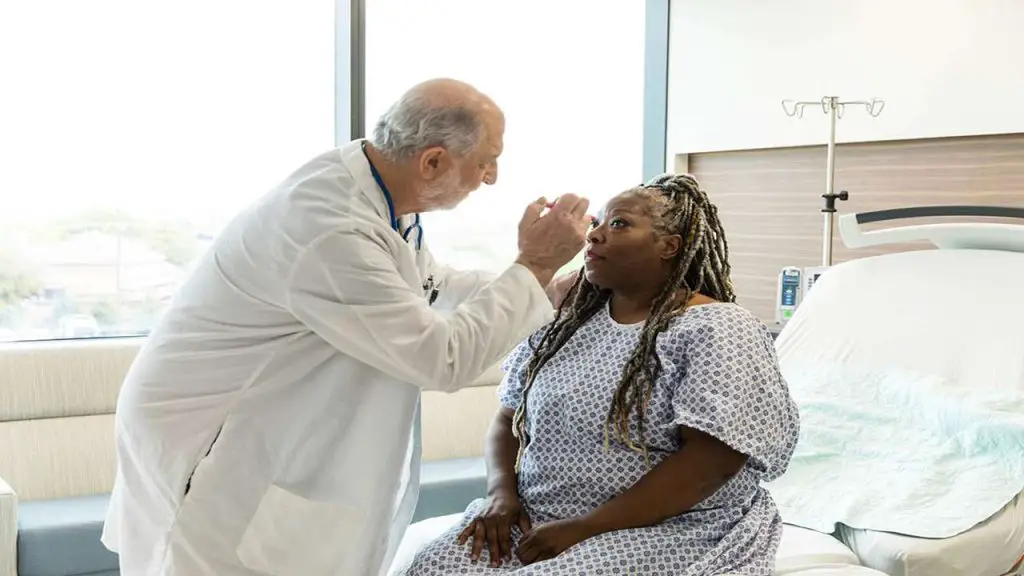
The MGH Center for Women’s Mental Health has a team of skilled experts who specialize in women’s mental health.
1. Dr. Lee S. Cohen
Dr. Lee S. Cohen is the Director of The Ammon-Pinizzotto Center for Women’s Mental Health at Massachusetts General Hospital and a leading expert in women’s mental health.
He focuses on treating mood and anxiety disorders related to women’s reproductive health, such as mental health conditions during pregnancy and postpartum, depression in midlife, and challenges related to infertility.
Through his work in research, teaching, and patient care, Dr. Cohen has helped improve the treatment of these conditions.
2. Marlene P. Freeman
Dr. Marlene P. Freeman specializing in women’s mental health and mood disorders, Dr. Freeman focuses on areas like nutrition and integrative medicine.
She has led women’s mental health programs and made important contributions to research, clinical care, and guidelines in her field.
3. Laura F. Petrillo
Dr. Laura F. Petrillo is a psychiatrist who specializes in helping women with mood and anxiety disorders during pregnancy and after childbirth.
She earned her M.D. from Boston University and trained at Massachusetts General Hospital and McLean Hospital.
Dr. Petrillo also conducts research on the effects of medication during pregnancy and its impact on babies. She teaches at Harvard Medical School.
4. Ruta Nonacs
Dr. Ruta Nonacs is a psychiatrist who specializes in mental health for women during pregnancy and after childbirth. She works at Massachusetts General Hospital and teaches at Harvard Medical School.
Dr. Nonacs treats postpartum depression with medication and therapy and researches depression during pregnancy and after childbirth.
5. Rachel Vanderkruik
Dr. Rachel Vanderkruik is a psychologist and researcher focused on women’s mental health, especially during pregnancy, postpartum, and adolescence.
She works at Massachusetts General Hospital and teaches at Harvard Medical School. Dr. Vanderkruik uses therapies like CBT, ACT, and mindfulness to help women improve their mental health.
She is passionate about making mental health care more accessible and addressing gaps in care for women, both locally and globally.
6. Betty Wang
Dr. Betty Wang is a psychiatrist who helps women with mood and anxiety disorders during pregnancy and after childbirth.
She works at Massachusetts General Hospital and teaches at Harvard Medical School. Dr. Wang also treats children and teenagers at the MGH Child and Adolescent Psychiatry Department.
7. Allison Baker
Dr. Allison Baker is a psychiatrist who specializes in women’s mental health during pregnancy and after childbirth.
She works at Massachusetts General Hospital and teaches at Harvard Medical School. Dr. Baker focuses on treating ADHD in women during pregnancy and the postpartum period.
8. Edwin Raffi
Dr. Edwin Raffi is a psychiatrist who specializes in mental health during pregnancy and after childbirth.
He works at Massachusetts General Hospital and teaches at Harvard Medical School. Dr. Raffi also focuses on addiction treatment.
Want to know more about mental health services, check these out:
- Access Ohio Mental Health Center: Care for Lasting Wellness
- The Summit Center for Mental Health: Elevating Care
- Labette Center for Mental Health: Supporting Community Wellness
Address and Contact Information
The MGH Center for Women’s Mental Health is part of the Perinatal and Reproductive Psychiatry Program.
It is located in the Simches Research Building at 185 Cambridge Street, Suite 2200, Boston, MA 02114.
For more details, you can email [email protected] or visit their official website.
Conclusion and Future Directions
The MGH Center for Women’s Mental Health specializes in providing mental health care for women, addressing issues related to the reproductive cycle, menopause, and gynaecological health.
Located at 221 Longwood Avenue in Boston, MA, the centre offers services such as pre-pregnancy counselling, mental health evaluations, medication support, and brief therapy sessions to promote women’s well-being. A key area of focus is perinatal psychiatry, which involves helping women manage mental health challenges during pregnancy and after giving birth.
In the future, the centre aims to create more educational programs and resources to improve access to care for women facing conditions like postpartum psychosis and other mental health concerns related to reproduction.
This centre is part of Massachusetts General Hospital’s commitment to women’s health, combining treatment, education, and research to support women’s mental health needs better.
FAQ’s:
What is Postpartum Psychosis?
Postpartum psychosis (PP) is a rare but serious mental health condition that usually starts within days or weeks after childbirth.
It affects about 1 in 1,000 new mothers and can cause extreme mood swings, confusion, and psychotic symptoms.
Unlike the “baby blues,” which are mild and resolve on their own, PP needs urgent medical care.
While the exact cause is unknown, it may be linked to hormonal shifts, genetics, and other factors. Most women who develop PP have no prior history of mental illness.