Mental health issues are affecting more people across the country, and as a result, there are now more centres to help people get the support they need.
One of these centres, Tangible Mental Health, is focused on offering caring and easy-to-access mental health services for individuals and families.
The team at Tangible Mental Health understands that everyone’s challenges are different, so they provide therapy and counselling that fits each person’s specific needs.
They work with clients dealing with things like anxiety, depression, stress, or family and relationship issues, listening closely to what their clients are going through to offer the best possible support.
Tangible Mental Health uses a range of counselling methods to help people feel better and manage life’s tough moments.
The centre’s staff believe that therapy can make a big difference, helping people find more balance, feel more in control, and improve their overall quality of life.
For those who prefer online support, there are also options like BetterHelp, which connects people with licensed therapists for virtual sessions, so they can get help from wherever they feel comfortable.
Mental Health Services Provided By Tangible Mental Health

1. Couples Counseling
Couples counselling at Tangible Mental Health is for partners who want to work through challenges or strengthen their relationship.
In a supportive and safe space, both partners can share their feelings and learn more about each other.
The sessions focus on open communication and respect, helping couples connect better and resolve conflicts.
During counselling, couples receive fifty minutes of expert support to improve their relationship with each other and themselves.
The sessions include guided discussions to help them talk through tough topics and learn new skills for healthier communication.
The welcoming atmosphere encourages honest sharing, allowing couples to gain fresh insights into their relationship.
Ultimately, this counselling helps partners rebuild intimacy and trust, creating a path toward a loving and fulfilling relationship.
2. Family Counseling
Family counselling at Tangible Mental Health helps families improve their relationships and understanding of each other.
It’s a great option for families dealing with communication issues, going through big life changes, or wanting to feel closer together.
Experienced therapists lead the sessions, guiding families in solving problems together and teaching them how to communicate better and resolve conflicts.
During family counselling, families get fifty minutes of support to help them connect.
The therapists help facilitate discussions to work through disagreements and teach new skills for healthier interactions.
The sessions take place in a comfortable setting that encourages honest conversations, allowing family members to understand their communication styles and patterns better.
The goal of family counselling is to support both individual growth and a stronger family unit, leading to a happier and healthier family life.
3. EMDR
EMDR therapy, or Eye Movement Desensitization and Reprocessing, helps people heal from tough experiences that still affect them emotionally.
Instead of just talking through these memories, EMDR uses guided eye movements or other gentle techniques to help the brain process painful memories, leading to quicker relief from symptoms.
At Tangible Mental Health, skilled therapists provide EMDR in a safe, supportive setting.
They guide clients through each step, focusing on past painful memories, and current issues, and building healthy skills for the future.
Each fifty-minute session allows clients to work on understanding their thoughts and emotions in a comforting, welcoming space, with a focus on real, positive change.
4. Internal Family Systems
Internal Family Systems (IFS) is a type of therapy that sees our mind as made up of different “parts,” each with its own feelings and roles.
Some parts carry painful memories, while others step in to protect us. At our core, we each have a “Self” – a calm and wise centre that can help bring balance to all these parts.
At Tangible Mental Health, IFS sessions help clients connect with their different parts in a caring way, so they can understand themselves better and heal.
In these fifty-minute sessions, clients work on building a more positive relationship with their thoughts and emotions.
Our therapists provide a welcoming, relaxed space where clients learn to let go of unhelpful patterns and find a more balanced, healthy state of mind.
Team of Professionals at Tangible Mental Health
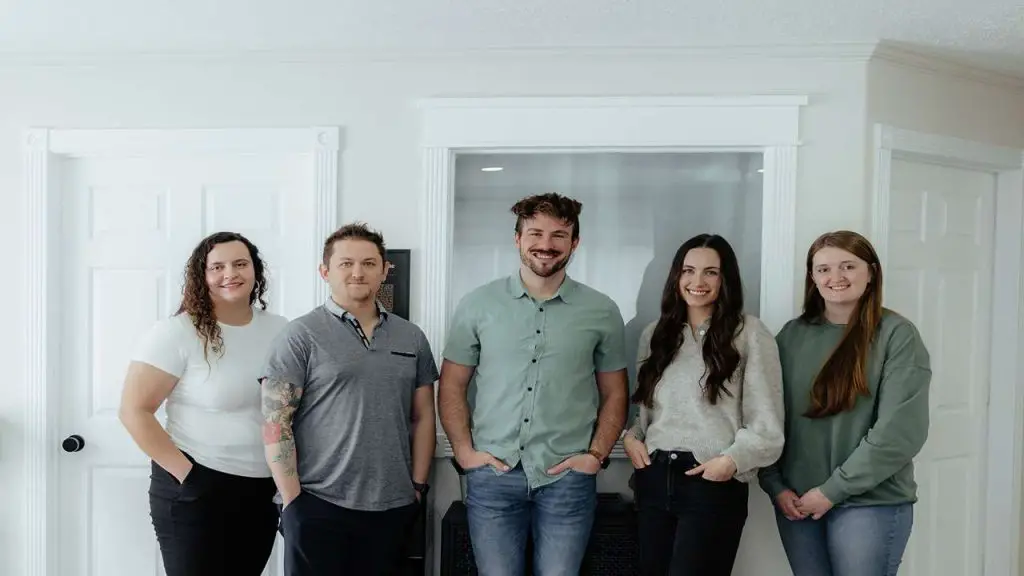
1. Skyler Anderson
Skyler Anderson is a warm and approachable therapist who helps people feel comfortable right away.
He supports individuals and couples dealing with OCD, grief, faith-related concerns, and relationship issues.
Using a blend of therapeutic methods like DBT, CBT, and Emotion-Focused Therapy, Skyler tailors his approach to each client’s needs.
He welcomes people from all backgrounds and works with teens, adults, couples, and families to promote healing and stronger connections.
2. Arianne Buck
Arianne Buck is a kind and supportive therapist who helps teens and adults feel happier and more confident.
She works with people facing trauma, OCD, LGBTQ+ issues, faith transitions, and other life challenges.
Using methods like DBT, ACT, and CBT, Arianne makes sure her clients feel understood and valued, guiding them toward positive change with care and practical tools.
3. Hannah Sheppard Brown
Hannah Sheppard Brown is a gentle, caring therapist who helps people feel safe and supported.
She works with teens, adults, and couples facing challenges like OCD, anxiety, trauma, and grief.
Using a range of therapies, she tailors her approach to each person’s needs, welcoming people of all backgrounds and experiences.
4. Joe Johnson
Joe Johnson helps those dealing with trauma using approaches like IFS, EMDR, and reparenting.
Joe listens with empathy and supports his clients as they work toward feeling better and making positive changes in their lives.
5. Hannah Hunt
Hannah Hunt is a warm therapist who helps kids (9+), teens and adults find more joy and meaning in their lives.
She supports people dealing with anxiety, life changes, depression, LGBTQ+ challenges
and trauma.
Believing everyone can heal, she uses methods like somatic therapy, EMDR, art, therapy to guide each person based on what matters most to them.
6. Nancy Coca
Nancy Coca works with kids, teens, and young adults. Nancy creates a safe space where her clients can explore their feelings and heal.
She helps them deal with challenges like anxiety, ADHD, autism, trauma, depression, and grief.
7. Emily McCrary
Emily helps people reconnect with themselves and what they love.
She believes everyone has the strength to lead a happy life and enjoys helping her clients discover that strength.
Emily works with those facing anxiety, depression, relationship problems, OCD, grief, life changes, and trauma.
She focuses on what matters to her clients and uses effective techniques to help them heal and find joy again.
8. Brady Clegg
Brady is a skilled therapist committed to guiding people toward a brighter future. He excels at helping clients uncover their strengths, particularly when they have trouble seeing them.
His expertise includes working with individuals facing anxiety, self-esteem challenges, OCD, and autism.
Brady also assists clients dealing with LGBTQ+ concerns, transitions in faith, relationship issues, and the effects of trauma.
Want to know more about mental health hospitals, check these out:
- Fusion Therapy Mental Health: Integrative Care for Mind
- Sol Mental Health: Guiding You Toward Brighter Days
- Beachway Mental Health: Your Path to Healing
Address and Contact Information
Tangible Mental Health is located at 246 N Orem Blvd, Orem, UT 84057.
You can reach them by calling or texting 435-282-8086 or by emailing [email protected].
For billing inquiries, contact them at (385) 666-5544 or email [email protected].
For more information, visit their official website.
FAQ’s:
1. How is mental health classified?
Mental health is grouped based on different types of issues people may face, such as mood disorders (like depression), anxiety disorders, personality disorders, psychotic disorders (like schizophrenia), and others.
These categories help professionals understand and treat specific mental health needs.
2. What are the 4 C’s of mental health?
The “4 C’s” usually refer to Calmness, Connection, Curiosity, and Compassion.
These qualities help individuals manage stress, build supportive relationships, stay open-minded, and show kindness to themselves and others.
3. What are the 3 levels of mental health?
The three levels often discussed are emotional well-being, psychological well-being, and social well-being.
These cover how we manage our emotions, feel about ourselves, and connect with others, all of which are essential for overall mental health.